
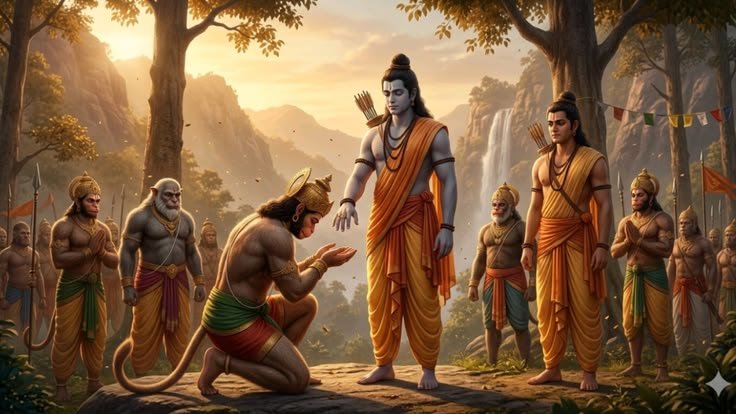
A Journey Through the Ramayana
Discover the people, places, books, traditions and ideas that have kept this great Indian epic alive across generations.
Explore the Seven Kandas
Follow the broad structure of the Valmiki Ramayana, from Rama's early life to the later narrative.
Bala Kanda
Rama's early life, Vishvamitra's guidance and the marriage of Rama and Sita.
Ayodhya Kanda
The events surrounding Rama's exile and Bharata's devotion to his brother.
Aranya Kanda
Life in the forest, the abduction of Sita and the turning point of the journey.
Kishkindha Kanda
Rama's alliance with Sugriva and the search for Sita.
Sundara Kanda
Hanuman's journey to Lanka, his meeting with Sita and his message of hope.
Yuddha Kanda
The campaign against Ravana and the battle for Lanka.
Uttara Kanda
Later episodes associated with Rama's reign and the epic's concluding traditions.
The Uttara Kanda's textual history and relationship to the earlier books are discussed by scholars; traditions and interpretations vary.
Meet the Characters
Get to know the central figures, their roles in the epic and the relationships that shape its narrative.
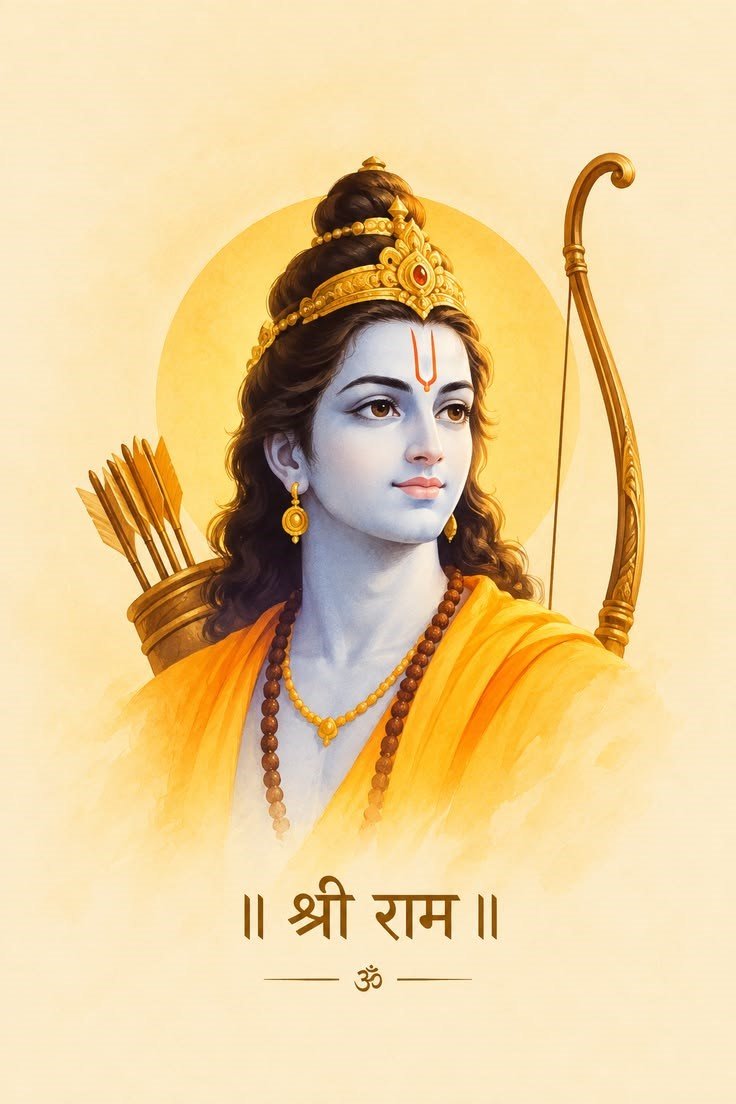
Rama
Prince of Ayodhya and central hero of the epic.
Character guide coming soon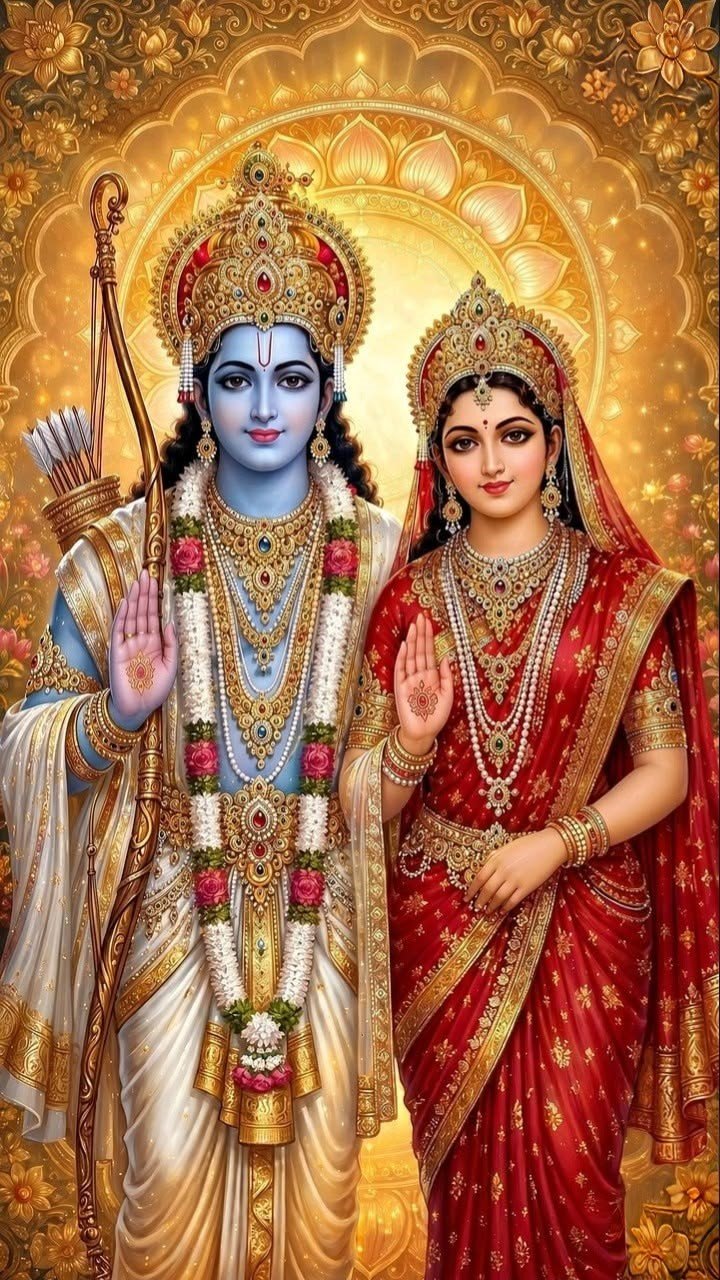
Sita
Rama's wife, whose courage and resolve are central to the story.
Character guide coming soon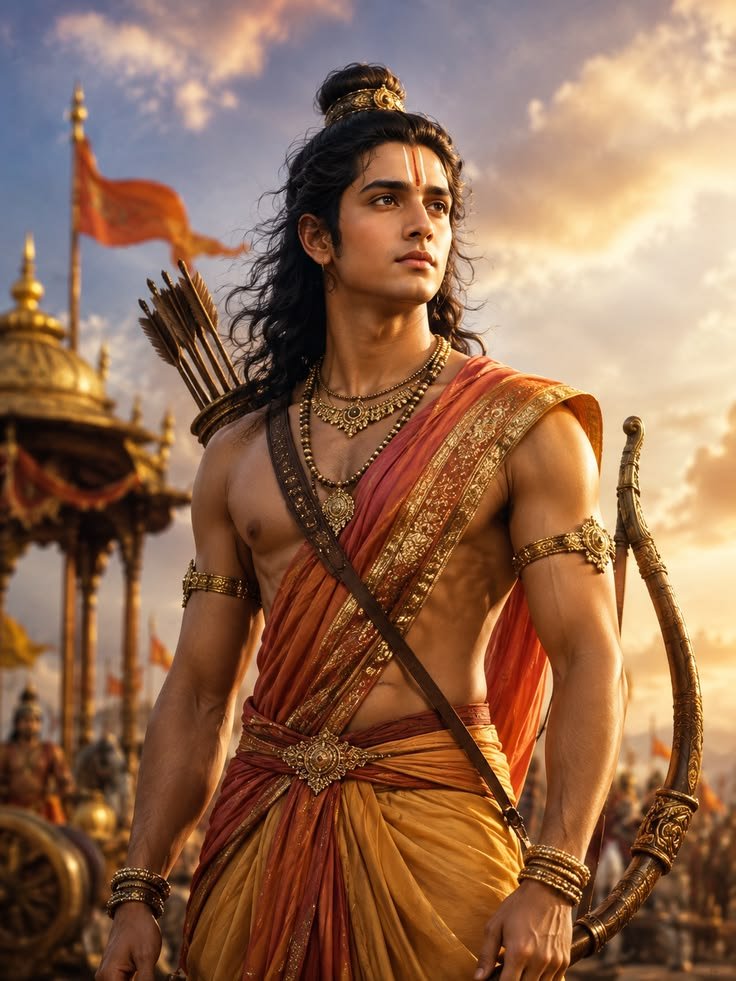
Lakshmana
Rama's devoted brother and companion in exile.
Character guide coming soon
Hanuman
The devoted messenger whose courage helps reunite Rama and Sita.
Character guide coming soon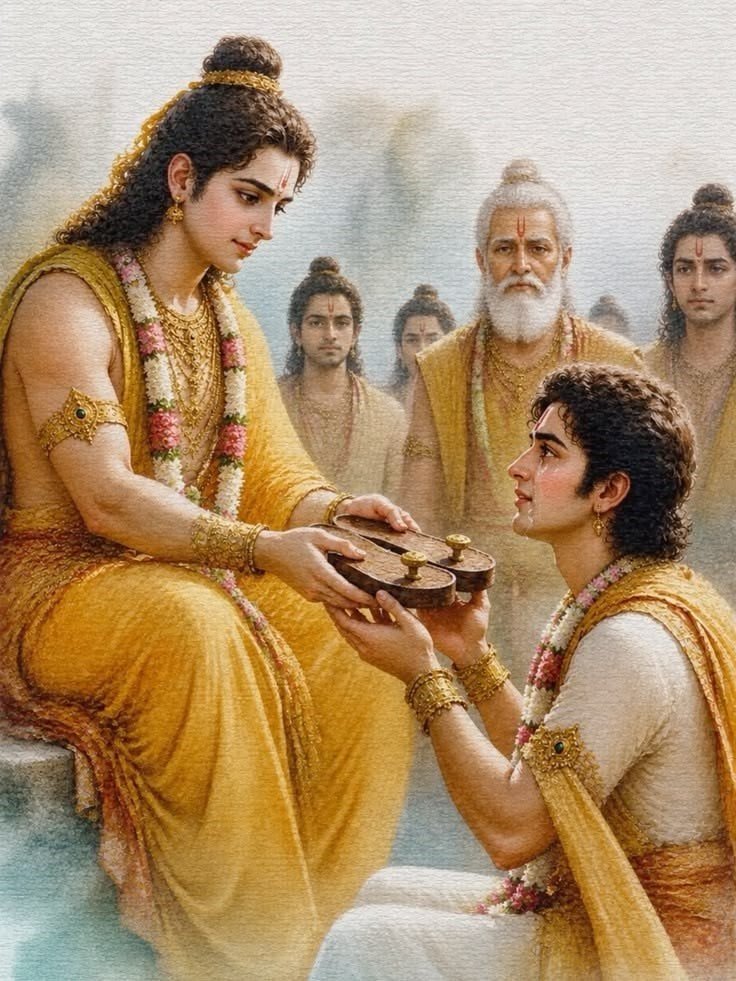
Bharata
Rama's brother, remembered for loyalty and self-restraint.
Character guide coming soon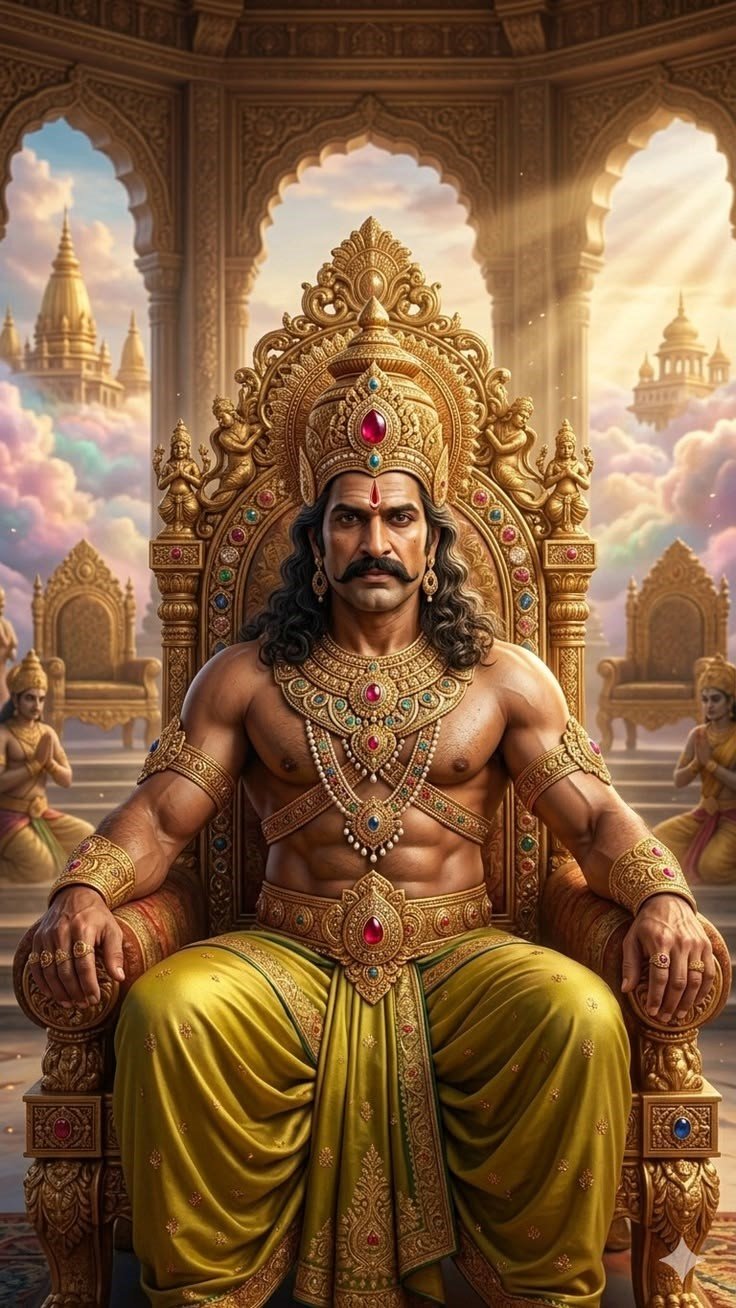
Ravana
King of Lanka and the principal antagonist in the war narrative.
Character guide coming soon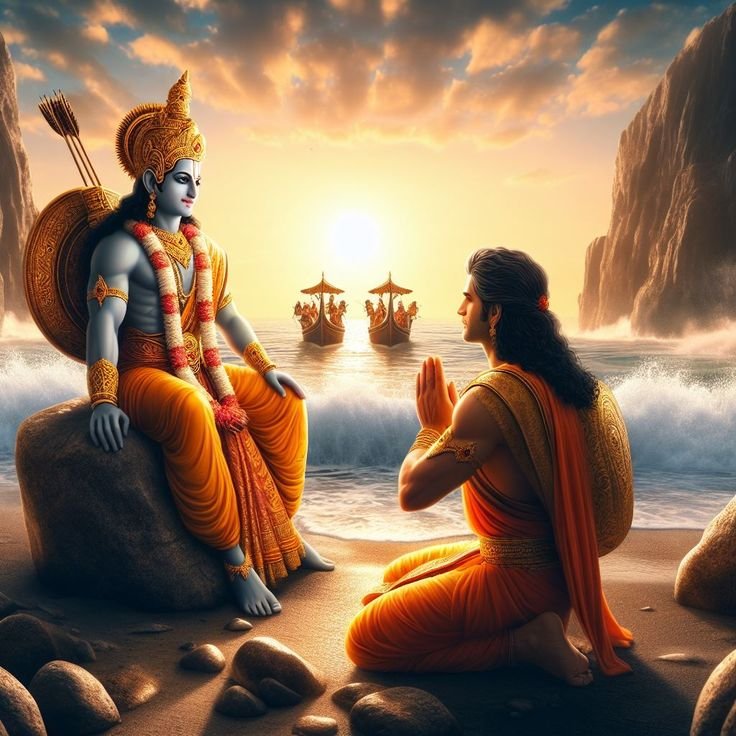
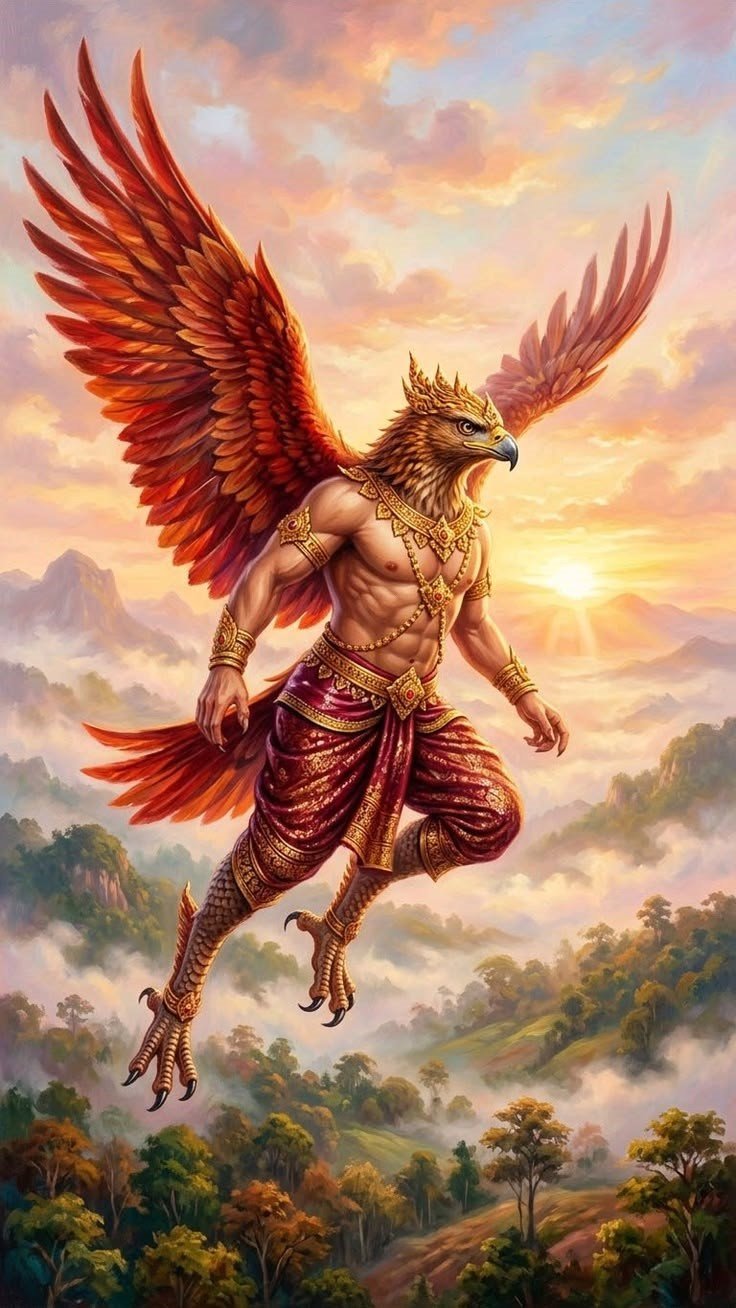
Jatayu
The noble bird who attempts to protect Sita.
Character guide coming soonJourney Through Ramayana Geography
Explore the places associated with the journey, from Ayodhya and Mithila to Chitrakoot, Panchavati, Kishkindha, Rameswaram and Lanka.
Discover their narrative roles, traditional identifications and cultural significance, while distinguishing traditional accounts from claims established by historical evidence.
Ramayana Across India and Beyond
The epic lives through regional languages, performance, devotional practice, art and community traditions.
Ramlila and Folk Theatre
Explore dramatic performances that bring episodes of the Ramayana to communities.
Regional Retellings
Discover how poets and storytellers have shaped the epic in different languages.
Festivals and Devotion
Learn about traditions associated with Rama, Sita, Hanuman and the return to Ayodhya.
Art and Architecture
See how the Ramayana appears in paintings, sculpture, temples and public art.
Scriptures and Ramayana Traditions
Begin with the Valmiki Ramayana, then explore influential retellings such as Tulsidas's Ramcharitmanas and Kamban's Ramavataram.
Compare language, literary style, devotional emphasis and regional context. These works belong to a rich tradition, not a single identical text.
Explore the Sanatan Knowledge Centre →Objects, Symbols and Sacred Traditions
Explore the objects and recurring motifs that help readers understand the epic's narrative and cultural imagination.
Rama's Bow
A defining symbol of martial skill, duty and the events at Sita's swayamvar.
Hanuman's Gada
An emblem commonly associated with strength, service and protection.
The Bridge to Lanka
The celebrated bridge-building episode and its place in devotional tradition.
Coronation of Rama
Royal responsibility, restoration and the ideal of righteous governance.
Understanding the Ramayana
Explore how the epic is structured, how versions differ, and how readers can distinguish textual evidence, religious tradition and scholarly interpretation.
What is a Kanda?
A Kanda is a major book or division of the epic.
Is every Ramayana version the same?
No. Retellings differ in language, emphasis, episodes and cultural setting.
How do Valmiki Ramayana and Ramcharitmanas differ?
They are distinct works, composed in different languages and literary contexts.
How should we study the epic?
Read reliable translations, compare traditions respectfully and consult source notes.
Explore Stories and Timeless Lessons
Now that you have explored the epic's background, meet its unforgettable episodes and reflect on dharma, courage, leadership and compassion.