
DEVOTIONAL LIBRARY
Shri Hanuman Mantras & Stotras
Explore Hanuman mantras, stotras, stutis and devotional prayers with traditional context and Hindi-English explanations.
श्री हनुमान की उपासना में बल, बुद्धि, निर्भयता, सेवा और श्रीराम के प्रति अटूट भक्ति के भाव प्रमुख हैं। नीचे दिए गए नाम पाठकों को विभिन्न प्रार्थनाओं और स्तोत्र-परंपराओं से परिचित कराने के लिए हैं; पाठ और श्रेय में क्षेत्रीय या संस्करणगत अंतर हो सकता है।
About Shri Rama: Life, Trials and Timeless Teachings
A Divine Birth and an Extraordinary Childhood
Shri Hanuman is one of the most loved figures in Hindu tradition, celebrated for strength joined with humility, extraordinary courage guided by wisdom, and unwavering devotion to Shri Rama. The Ramayana and later devotional traditions describe him as the son of Anjana and Kesari, and as blessed by Vayu, the wind deity. Because of this connection he is also called Pavanputra or Vayuputra. His birth is told in different ways across traditions, but his defining quality remains the same: his powers are placed in the service of dharma rather than personal pride.
Stories of Hanuman’s childhood portray him as lively, fearless and mischievous. In a well-known episode, he sees the rising sun and, mistaking it for a bright fruit, leaps toward it. The gods intervene, and the episode becomes a way of explaining his immense energy and the concern his strength could cause when guided by youthful impulse. Other childhood tales describe playful pranks on sages whose meditation he interrupts. These stories are usually told affectionately: Hanuman’s exuberance needed guidance, not the extinguishing of his spirit.
Blessings, Boons and the Wisdom to Use Power Well
Traditional accounts say that powerful divine beings granted Hanuman blessings after his childhood encounter with the sun. The details differ among tellings, but they commonly emphasize protection from weapons and danger, exceptional strength, speed, learning and the ability to change his size or form. Some versions also explain that sages placed a condition on his powers: he would not fully remember them until someone reminded him. This motif teaches that gifts can remain dormant until purpose, discipline and encouragement call them forth.
Hanuman is also associated with learning and eloquence. In several traditions he studies sacred knowledge under Surya, the Sun God, travelling alongside the sun as he learns. His intelligence is as important as his physical strength: he assesses situations carefully, speaks with tact, recognizes the right moment to act and remains alert to the consequences of his choices. His example joins power with restraint, courage with discernment, and confidence with humility.
From Kishkindha to Lanka: Devotion in Action
Hanuman’s central role in the Ramayana begins when he meets Rama and Lakshmana while serving Sugriva. Recognizing Rama’s nobility, he becomes his devoted messenger and ally. When Sita is abducted by Ravana, Hanuman crosses the ocean to Lanka, searches carefully, finds Sita in the Ashoka grove and gives her Rama’s message as a sign of hope. He refuses to mistake reckless force for success: he observes, speaks at the right time and completes the mission entrusted to him.
After being captured, Hanuman’s tail is set alight in a famous episode. He escapes and sets parts of Lanka ablaze in some tellings, then returns to Rama with news of Sita. His report helps the allies prepare for the campaign. During the great battle, when Lakshmana is gravely wounded, Hanuman journeys to bring the life-restoring herb; unable to identify it with certainty, he carries the mountain on which it grows. Rama’s victory over Ravana depends on the efforts of many allies, but Hanuman’s courage, intelligence and service become among the story’s most memorable examples of devotion made practical.
The Ideal of Seva and Bhakti
Hanuman’s greatness is not presented merely as supernatural power. He repeatedly gives credit to Rama, accepts difficult tasks without demanding reward and treats service as an honour. His image may show him carrying a mountain, holding a gada, opening his chest to reveal Rama and Sita, or kneeling with folded hands. Each image highlights a different aspect of strength, protection, loyalty or loving surrender.
Hanuman Jayanti is observed on dates that vary by region and calendar tradition. Devotees may recite the Hanuman Chalisa, Sundarkand, Bajrang Baan or other prayers, visit temples, offer flowers and sindoor according to local custom, and reflect on courage and self-discipline. Such practices are devotional traditions rather than guarantees of particular outcomes. Hanuman’s story invites readers to face difficulties with steadiness, use their abilities responsibly, speak truthfully and serve others without arrogance.
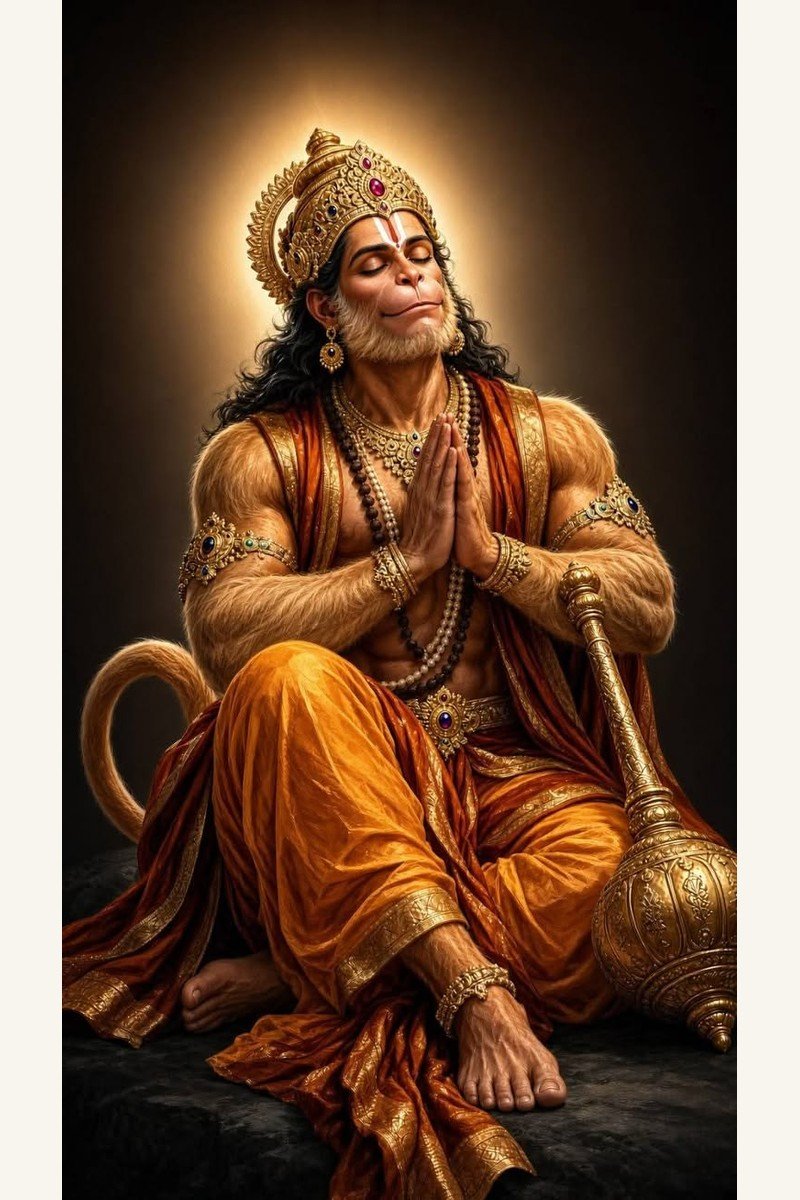
Hanuman Chalisa
Forty chaupais traditionally attributed to Goswami Tulsidas, with opening and closing dohas.
Read full article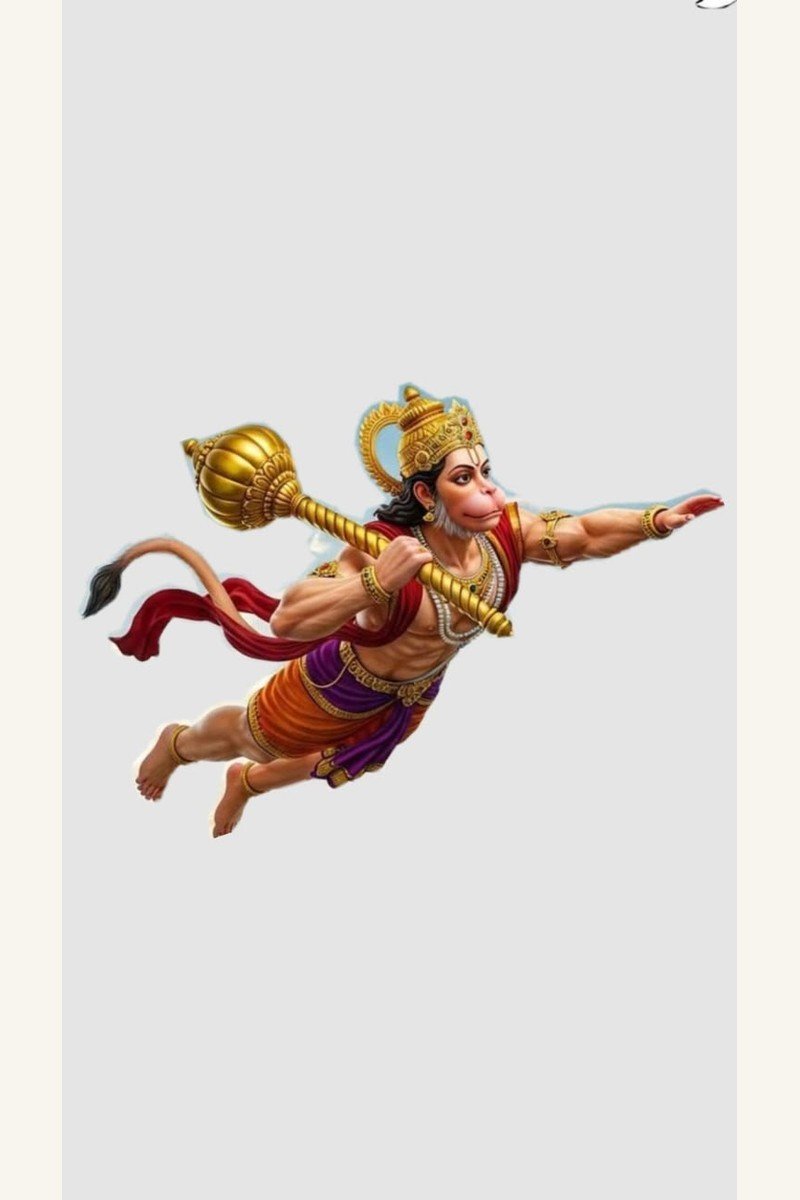
Bajrang Baan
A devotional composition associated with Hanuman worship and the language of prayerful appeal.
Read full article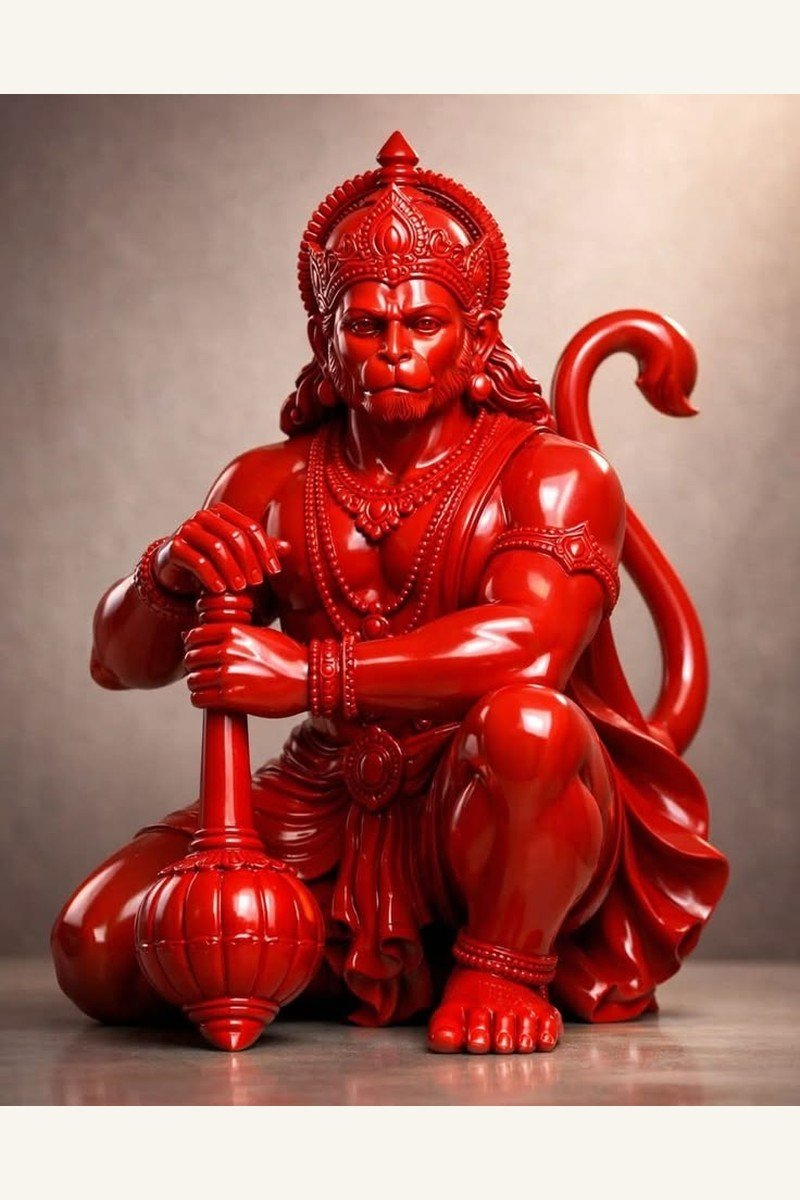
Hanuman Ashtak (Sankat Mochan)
A devotional hymn commonly recited in connection with Hanuman’s help in times of difficulty.
Read full article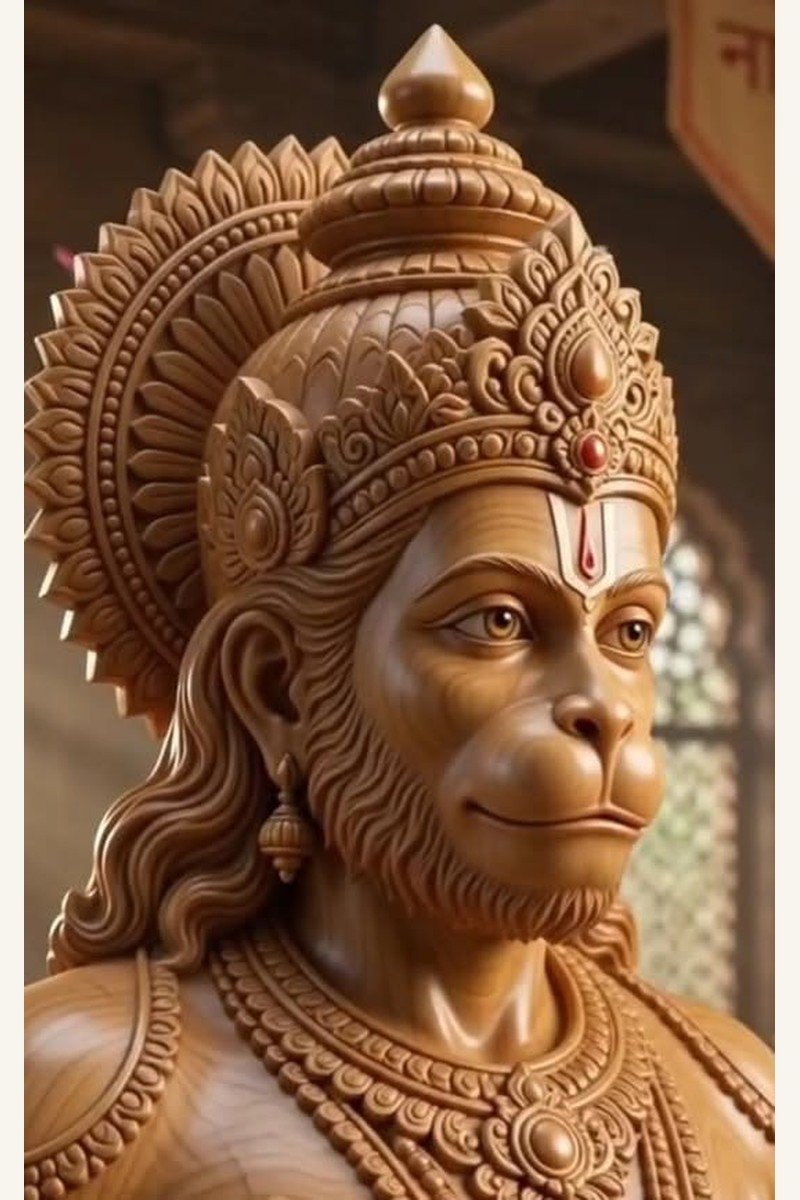
Hanuman Aarti
A lamp-offering hymn used in many Hanuman worship traditions; wording varies by region.
Read full article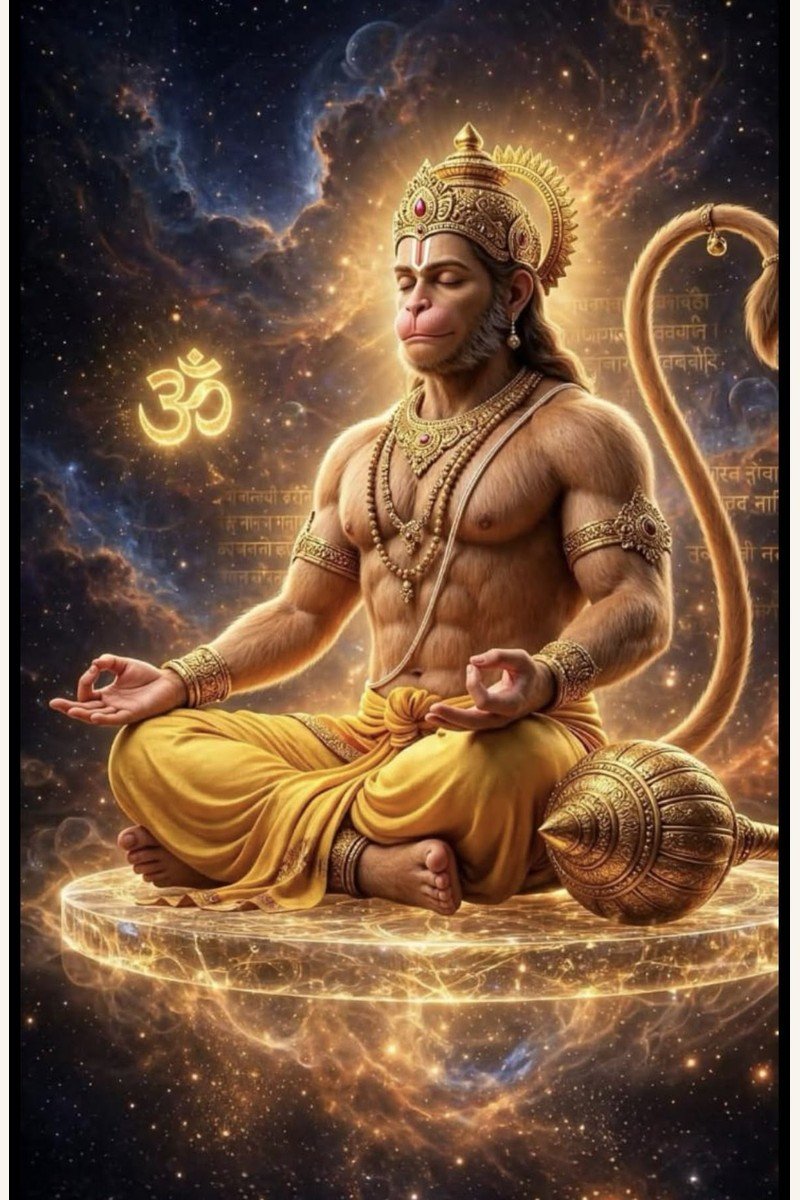
Hanuman Gayatri Mantra
A Hanuman-focused Gayatri mantra with transliteration and explanation of traditional variants.
Read full article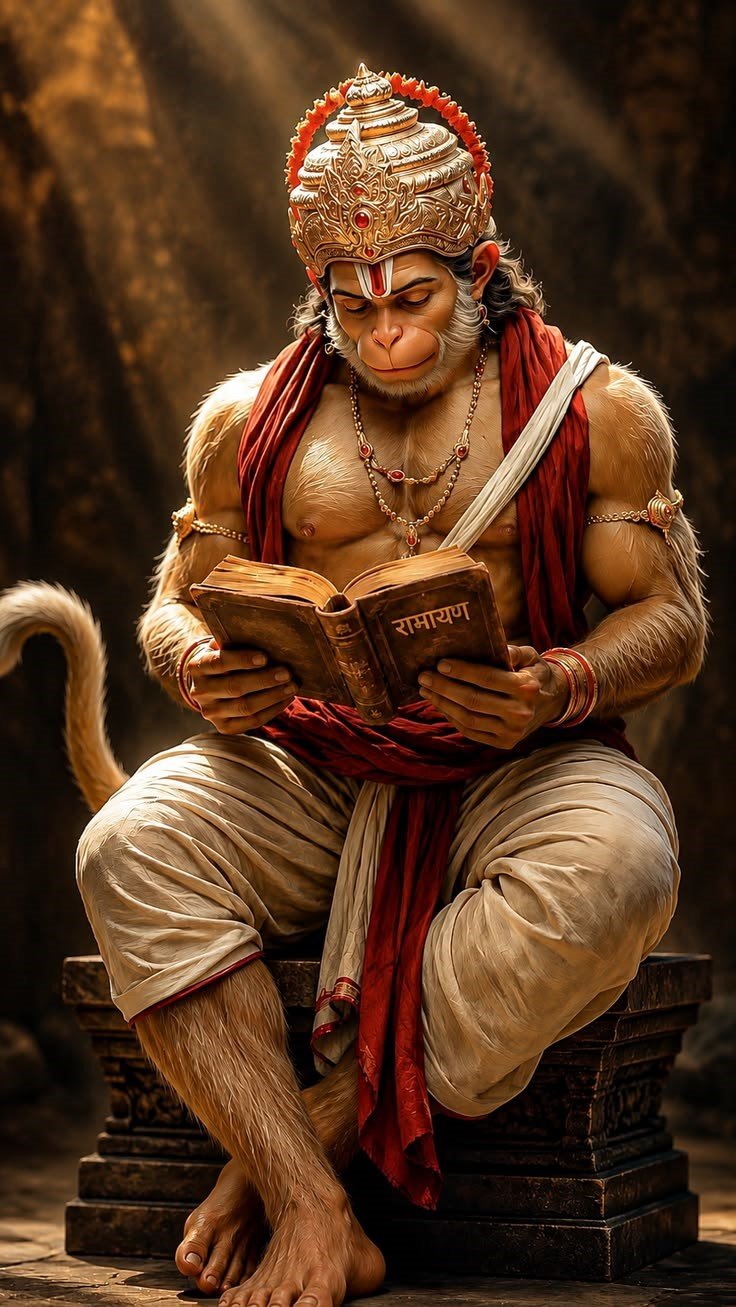
Hanuman Moola Mantra
A short devotional mantra associated with Hanuman worship, presented with pronunciation guidance.
Read full article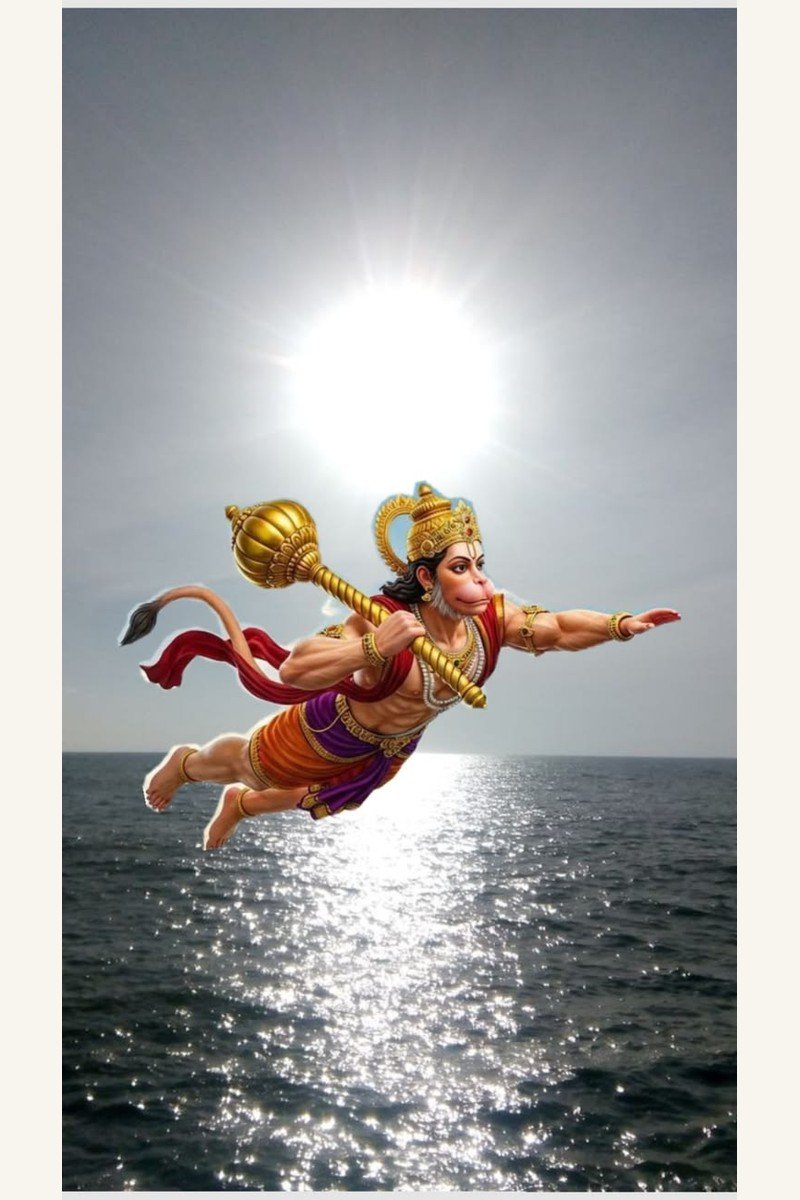
Anjaneya Dandakam
A well-known Telugu devotional composition praising Anjaneya, with language and regional context.
Read full articleHanuman Bahuk
A devotional work traditionally associated with Tulsidas; editions and interpretive traditions should be noted.
Read full article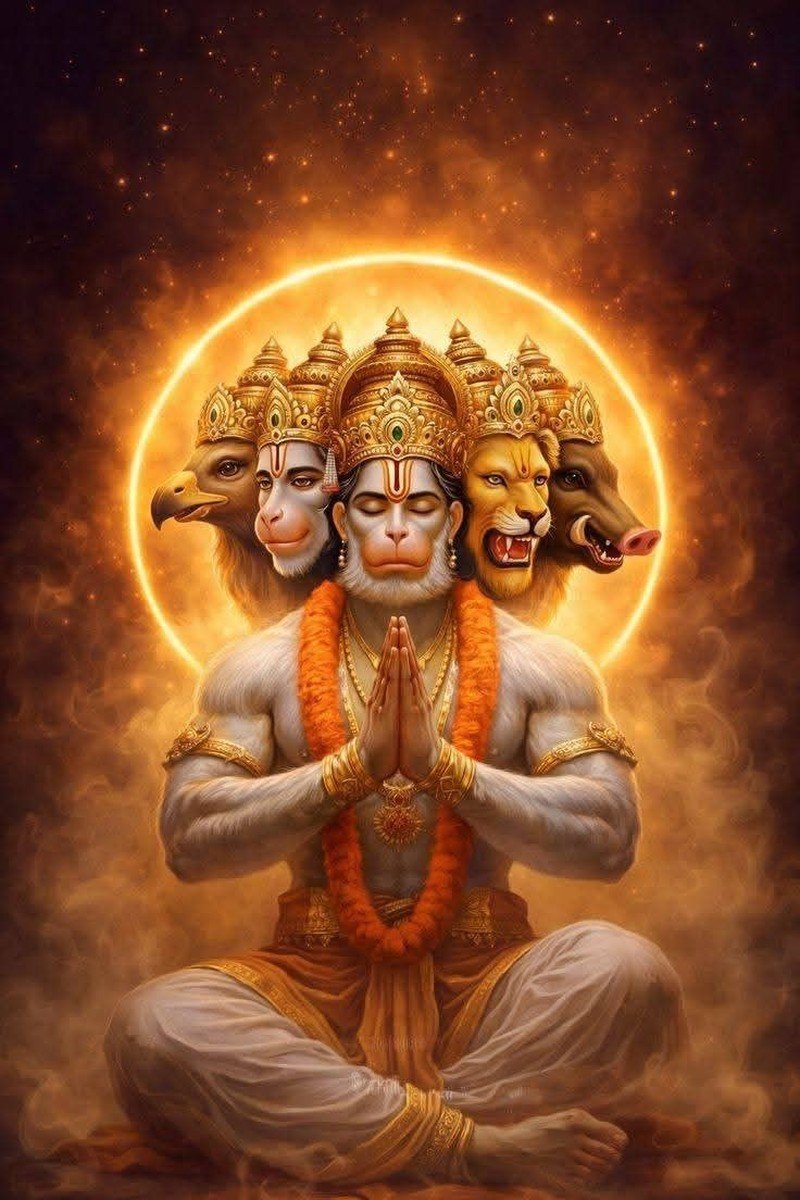
Hanuman Kavach
A protective hymn found in differing textual traditions; the selected source should be identified.
Read full articleHanuman Stavan
A general hymn of praise to Hanuman, with a clearly identified text and source.
Read full articleHanumat Pancharatnam
A five-verse prayer title used in devotional collections; verify the exact version and attribution.
Read full articleHanuman Namavali
A litany of Hanuman’s names for devotional recitation; lists vary among traditions.
Read full articleHanuman Dwadasha Nama
A prayer centered on twelve names of Hanuman, with source-aware notes on variants.
Read full article
Ramdoot Hanuman Stuti
A devotional praise of Hanuman as Rama’s messenger and servant.
Read full articleHanuman Vandana
A prayerful salutation to Hanuman, with text and meaning to be added from a reliable edition.
Read full article